Back to School Boomerang Circle Cloud: A Practical Design Asset for Streamlined Workflows
When you are building out seasonal content, preparing classroom materials, or launching a campaign timed to the academic calendar, every asset in your toolkit needs to earn its place. The Back to School Boomerang Circle Cloud is one of those versatile design files that fits into multiple phases of a project, whether you are an educator organizing handouts, a small business owner creating social posts, or a freelancer delivering branded assets to a client. Understanding what this asset is, how it integrates with other tools, and where it fits in a practical workflow can save you time, reduce friction, and help you produce consistent results.
This article walks through the nature of the Back to School Boomerang Circle Cloud, its practical applications before, during, and after a project, and how to implement it smoothly into your own routines. No fluff, no generic advice—just clear, actionable guidance for professionals who value efficiency and quality.
What Is the Back to School Boomerang Circle Cloud?
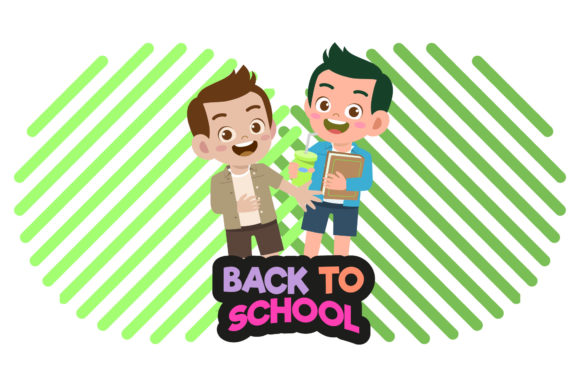
At its core, the Back to School Boomerang Circle Cloud is a digital design file package that includes six different formats: AI, EPS, SVG, DXF, JPG, and PNG. Each file is built on a canvas of 1920 by 1280 pixels, giving you a consistent base size for layout work, printing, or screen display. The design itself typically features boomerang shapes, circular elements, and cloud motifs arranged in a composition that evokes the back-to-school season—without being overly literal or cluttered.
What makes this asset particularly useful is the range of formats. You can edit the original vector paths in Adobe Illustrator (AI), work with the EPS in a variety of vector software, use the SVG for web or app interfaces, cut the DXF on a CNC machine or Cricut-style cutter, print the JPG for physical materials, or place the PNG with transparency directly into a digital composition. This flexibility means the same design can move from concept to final output without requiring you to rebuild or re-purchase assets for different platforms.
Where It Fits in a Broader Process
Design assets like this one are rarely used in isolation. The Back to School Boomerang Circle Cloud is a component that interacts with other resources: your brand color palette, typography choices, layout grids, and the specific messaging of your campaign or curriculum. It is a decorative or structural element that can serve as a background, a framing device, a cut-file for physical products, or a digital accent. Understanding this interconnected role helps you decide when and how to introduce it into your workflow.
For example, if you are a classroom teacher preparing a bulletin board, you might print the JPG at scale, or cut out the design from vinyl using the DXF file. If you are a social media manager scheduling posts for a school district, you could drop the PNG into a template and layer your text on top. If you are a craft seller on Etsy, you could import the SVG into your design software to create stickers, t-shirts, or planner inserts.
Using the Asset Before a Project: Planning and Preparation
One of the most overlooked stages in any project is the preparation phase. The Back to School Boomerang Circle Cloud can serve as a reference point during planning, even before you open your design software. Because the file comes in a known canvas size (1920x1280), you can use it to establish dimensions, aspect ratios, and spatial relationships early on. If you are building a set of materials that need to share a consistent look—say, a series of posters, flyers, and digital banners—you can test how the boomerang circle cloud works as a unifying element before committing to a full layout.
During planning, consider how this asset will interact with your other tools and resources. If you use a templating platform like Canva or a vector editor like Affinity Designer, the SVG or PNG will be your most direct path. If you work with a cutting machine, the DXF file is essential. Knowing which format you need before you start prevents wasted time converting or troubleshooting later.
Compatibility and Usability Checks
Before you integrate the Back to School Boomerang Circle Cloud into an active project, verify that your software supports the file types you plan to use. AI files require Adobe Illustrator (or a compatible importer), while EPS can be opened in many vector programs but may require a recent version. SVG files are widely supported across design apps, browsers, and even office software. DXF files are standard for cutting plotters and some CAD applications. JPG and PNG are universal.
Check color space preferences as well. The design likely ships with a default color profile, and if your project uses a specific CMYK or RGB setup, you may need to adjust. Opening the AI or EPS file first and reviewing the layers, groups, and color swatches gives you full control before you export or place any version into a final layout.
During the Project: Integration into Active Workflows
When you move into the active phase of a project, the Back to School Boomerang Circle Cloud becomes a working component. How you use it depends on the medium and the stage of production.
Digital Compositions and Web Use
For social media graphics, blog headers, or email newsletters, the PNG file with transparency is often the most efficient choice. Drop it into your layout, position it behind or alongside your copy, and apply any necessary adjustments like opacity, blending modes, or color overlays. Because the canvas size is 1920x1280, it maps well to standard screen ratios (16:10.67, close to 16:9). If you need a tighter crop, the vector files give you the freedom to scale without pixelation.
The SVG format is especially useful if you are embedding the graphic directly into a webpage or an interactive presentation. You can manipulate individual paths, change colors via CSS, and animate elements if needed. This makes the Boomerang Circle Cloud a functional building block, not just a static image.
Print and Physical Production
For print projects, use the high-resolution JPG or place the AI/EPS file in a layout program like InDesign or Publisher. Check that your print resolution is 300 DPI (the 1920x1280 pixel canvas at full size yields about 6.4x4.27 inches at 300 DPI, which is fine for flyers or small posters). For larger prints, vector formats are essential because they scale infinitely.
If you are cutting physical shapes—vinyl letters for a classroom door, cardstock decorations for a bulletin board, or iron-on designs for tote bags—the DXF file is your direct path. Import it into your cutting software (e.g., Cricut Design Space, Silhouette Studio), adjust size and mirror settings if needed, and cut. The boomerang and circle motifs create a layered, modern look that works well in layered vinyl projects.
Organizing and Versioning
During production, keep the original zip folder intact, and create project-specific copies in a dedicated folder structure. For example, if you are making materials for three different classrooms, duplicate the asset into each folder rather than repeatedly locating the master file. Name your versions with date and project codes to avoid confusion. This kind of organization pays off when you need to revisit or revise a piece weeks later.
After the Project: Quality Control, Archiving, and Reuse
Once your project is delivered or published, the Back to School Boomerang Circle Cloud still plays a role. Review the final outputs to see how the design element performed. Did the color reproduce correctly across digital and print? Did the cut file align with your expectations? Make quick notes for future use—these observations become part of your personal knowledge base.
Archive the asset with your other reusable resources. Because the file set includes multiple formats, it remains future-proof. Next year, when you need a back-to-school theme again, you can open the AI file, modify colors, swap out elements, and generate fresh versions without starting from scratch. The initial investment in understanding the asset pays off across multiple seasons and projects.
Long-Term Use and Iteration
Consider building a library of similar seasonal assets. The Back to School Boomerang Circle Cloud could be part of a series that includes holiday, spring, or summer variants. By treating each asset as a modular component, you create a system where consistency is built in, and variation comes from new combinations. This is especially valuable for entrepreneurs and educators who produce recurring content.
Practical Implementation Tips
Here are some concrete observations from using this type of asset in real workflows:
- Open the AI file first and inspect the structure. Look for named layers, grouped elements, and any embedded fonts or swatches. This gives you control and helps you understand the designer’s logic.
- If you are using the PNG, place it as a top layer in your composition and experiment with blend modes like Multiply or Overlay to let it interact with background textures.
- For cut projects, test the DXF on a small scrap piece of material before cutting the final workpiece. Verify that the boomerang and circle paths are closed and that the tool recognizes the shapes.
- When using the SVG on the web, compress it with a tool like SVGO to reduce file size without losing visual quality. This keeps page load times fast.
- If you collaborate with a team, share the vector files (AI or EPS) rather than rasterized copies. This lets others edit and repurpose the asset without degradation.
Factors to Consider for Consistency and Quality
Consistency across a project or brand is not automatic. The Back to School Boomerang Circle Cloud will look different depending on the colors, fonts, and textures you pair with it. To maintain quality, decide early how you will handle these interactions. If your brand uses a specific blue, adjust the boomerang circles to match that exact hex or CMYK value. If your classroom theme is more muted, desaturate the design or apply a wash overlay.
Usability also depends on your own skill level with the tools. If you are new to vector editing, start with the PNG or JPG and gradually explore the SVG and AI files as you gain confidence. The DXF is best for those already familiar with cutting software. There is no single right way to use the asset; the correct approach is the one that matches your current process and tools.
Finally, remember that an asset like this is a means to an end. Its value is measured by how well it helps you communicate, teach, or sell—not by how many formats it includes. By integrating the Back to School Boomerang Circle Cloud thoughtfully into your planning, active work, and archiving, you turn a digital file into a reliable part of your professional toolkit.
Whether you are preparing a classroom for the new term, launching a seasonal promotion, or creating content for a school-related project, this design asset offers the flexibility and consistency that busy professionals need. Use it as a starting point, adapt it to your specific context, and let your own workflow determine the most effective path from download to final result.